

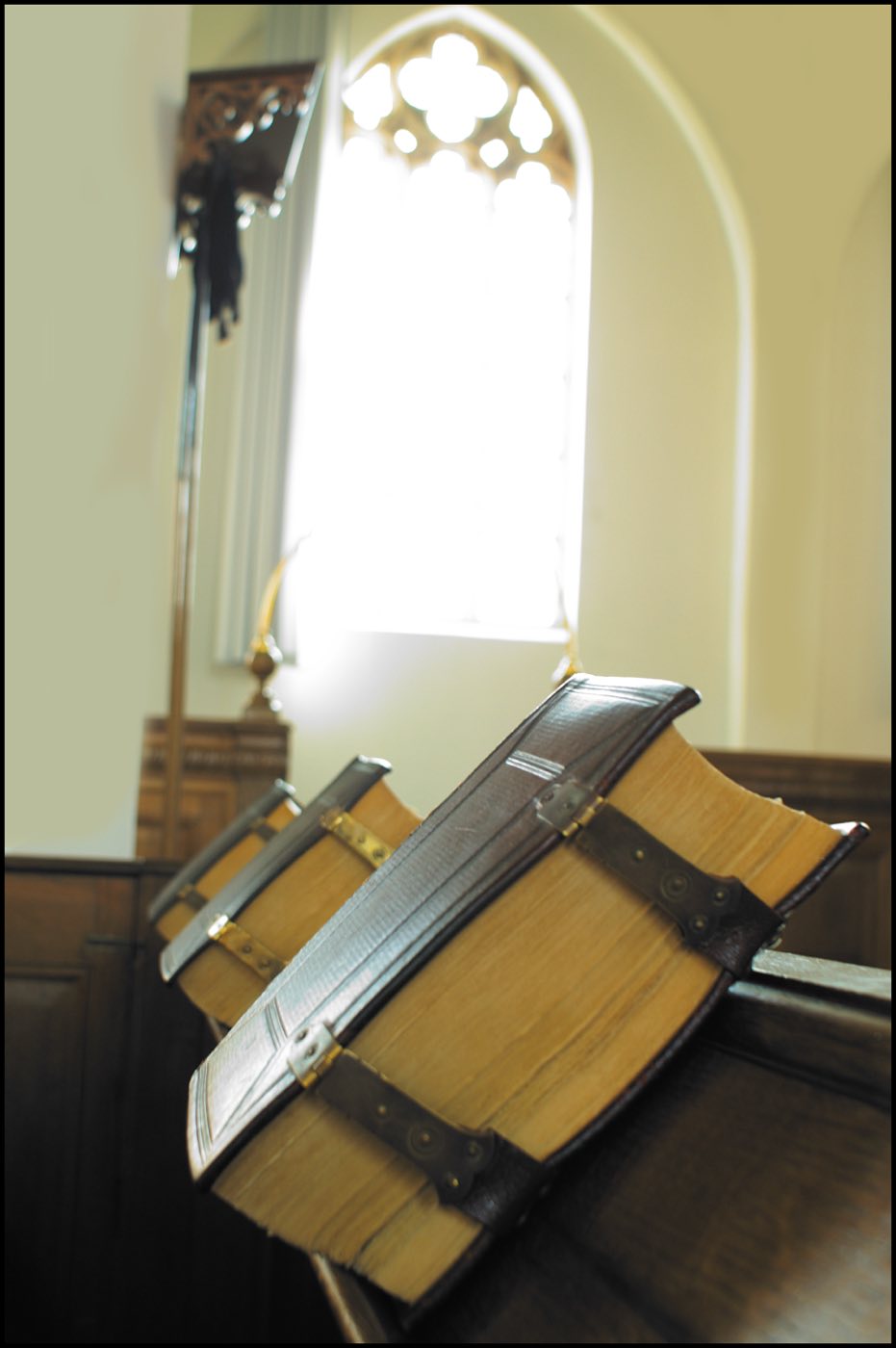
Monster is older than most villages in the Westland. It is mentioned as early as 1006, and the oldest remains of the church date from the eleventh century. The current hall church was built in the fourteenth and fifteenth centuries, with a tower from the fourteenth. The photo above shows that church as it now stands, rebuilt after the great fire of 1901, when only walls and tower survived.
The village has a special history with the sea. Storm after storm, century after century, the coast off Monster was eroded; houses stood ever shorter on the sand and were eventually demolished and rebuilt further inland. That gave Monster the nickname 'the wandering village'. In the dunes a beacon for shipping also stood for a long time — a low, wooden marker that helped sailors set their course between Hoek van Holland and Scheveningen.
Monster was traditionally a village of farmers, fishermen and merchants. When greenhouse horticulture began in the Westland around 1850, Monster was one of the first centres where growers tried out the new glass walls and loose panes. Together with Poeldijk and Wateringen, Monster formed the heart of the first generation of Westland horticulture. The mill De Vier Winden, dating from 1882 in its current form, appears in documents from the twelfth century — a rare continuity in this otherwise fleeting coastal landscape.
Today Monster is part of the Westland municipality, together with Poeldijk and the fishing village of Ter Heijde. Our driver runs a set pickup day through Monster — centre, Kloosterlaan, Molenslag, Ter Heijde. Your bag goes along in the morning, and hangs back at your door in the evening clean and ironed. No appointments, no driving — just within the daily rhythm of a village that has braved the sea for a thousand years.
How Wastas works in Monster
On the set pickup day our driver is at your door. Clean laundry comes back by appointment — folded or on hangers, however you like it.
Other municipalities nearby
Sign up in two minutes and schedule your first pickup.